 跳到内容
跳到内容


Brighton & Hove Albion Football Club started up in 1901. It came from the rising interest in football across southern England. This time brought a big wave of organized sports. Workers wanted clear ways to spend free time.
They also sought a sense of local pride. Many seaside places like Brighton had teams before. But those groups did not last or win much. In the beginning, Albion played in local leagues. One key was the Southern League.
Back then, Brighton picked the name “The Dolphins”. It pointed to the town’s beach roots. This sea theme fit well with folks nearby. It helped tie the club to the area’s feel. Later, though, they switched to “The Seagulls”. That name sticks today.
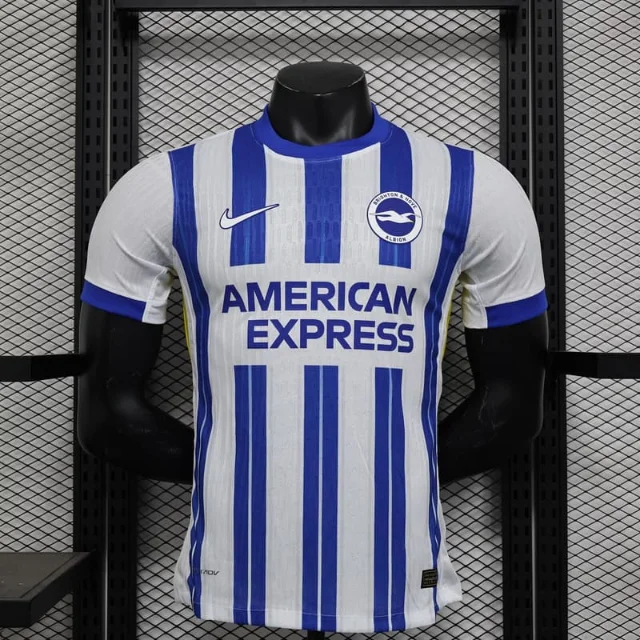
The team’s colors began with blue and white lines. This look set the style for Brighton’s soccer jerseys over many years. Designs changed with styles and makers. Still, the blue-and-white base held firm as their main look.
Links to the community ran deep right from the start. Early games pulled in crowds from port workers, train staff, and store owners. Each group felt a strong pull toward their hometown squad’s ups and downs.
The Goldstone Ground opened in 1902. It served as Albion’s base for almost 100 years. Big games happened often. Brighton’s win against Newcastle in 1979 locked in promotion. Fans still talk about it with warm memories.
In 1997, money woes hit hard. Club leaders sold the Goldstone Ground to builders. Without a ground, Brighton played home matches at Gillingham’s Priestfield Stadium for two years.
The fight to build Falmer Stadium lasted over ten years. Approval came in 2007. Work finished in 2011. The stadium, called the American Express Community Stadium, stood as a sign of fresh start.
Tony Bloom took over in 2009. Under him, Brighton changed in big ways. It shifted in thinking too. He poured funds into players. He also backed data tools and worldwide talent hunts.
The club focused on young players via its top academy rank. It trains homegrown kids with top tools. Bloom’s plan lifted Albion from low leagues to dreams of the Premier League.
After many close calls in playoffs, Brighton earned a spot in the Premier League in 2017. Chris Hughton guided them there. His plan stressed solid defense. It used quick breaks too. This fit well for the Championship’s demands.
The rise ended a 34-year gap from the top level. It opened doors to fresh tests and chances for wider notice.
Graham Potter took over from Hughton in 2019. He brought a fresh way: ball control with smooth player moves. During his time, Brighton got nods for their pretty play. Wins did not always match, though.
After Potter, Roberto De Zerbi pushed tactics higher. He used detailed ways to build attacks. His team pressed hard too. With De Zerbi, Brighton made Europe for the first time. They finished sixth in the Premier League. That marked a huge club milestone.
Now, Brighton & Hove Albion has fans around the world. The Premier League spotlight helps. Trips to global events like summer tours add to it. Their supporters stretch way past Sussex.
Players from places like South America, Africa, and Europe join in. These signings mix cultures. They bring varied soccer styles while playing for the team.
Brighton’s kits went from thick cloth lines long ago to light gear now. They follow big trends in world soccer jerseys. New versions keep sleek shapes. They hold onto old touches like straight stripes.
The badge today is round. It fits current brand styles. Yet it keeps nods to history, such as seagulls and sea colors.
Brighton marks its 125th year in 2026. They rolled out events for it. These include special kits with old touches. Online stories spotlight big past events too.
The anniversary badge mixes past logos with fresh letters. It honors old strength and looks ahead.
Fans cherish wild times. Robbie Reinelt’s goal kept Brighton in the Football League back in 1997. Zamora’s goal streak lit up the early 2000s. Pascal Groß’s shot locked in Premier League survival.
These tales pass through families. Dads share with sons. Aunts tell nieces. This keeps the heart link going over years.
Check out TBTCN’s full set of Brighton & Hove Albion replica jerseys. They pay tribute to each time in this strong club’s story. From old ‘80s looks to Premier League sets that shaped new times, TBTCN gives fans a real link to the past. Head to TBTCN now to wear that history.
The club was established in 1901.
The change reflected stronger local association with seafront birds commonly seen along the Sussex coast.
The Goldstone Ground served as their home from 1902 until 1997.
Tony Bloom has owned the club since 2009 and played a major role in its rise.
Yes, they qualified for European competition under Roberto De Zerbi after finishing sixth in the Premier League.